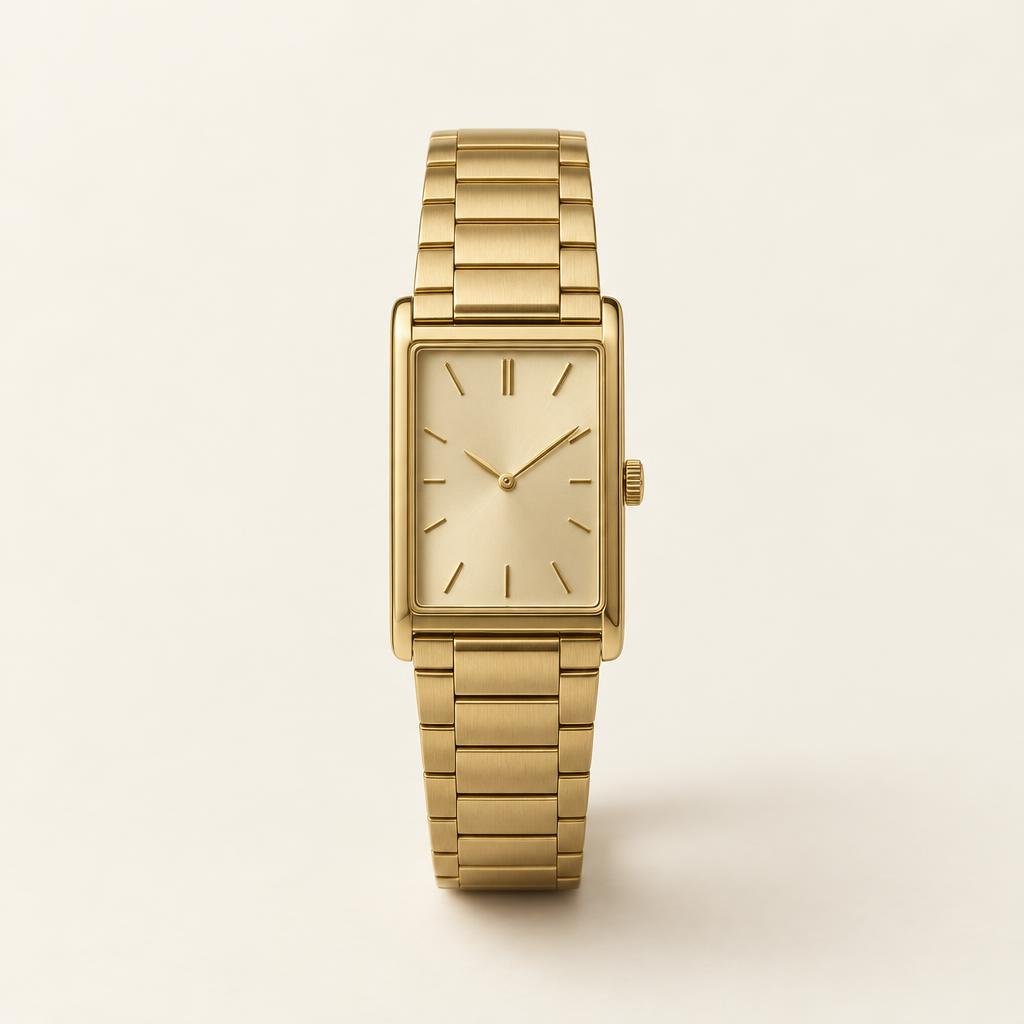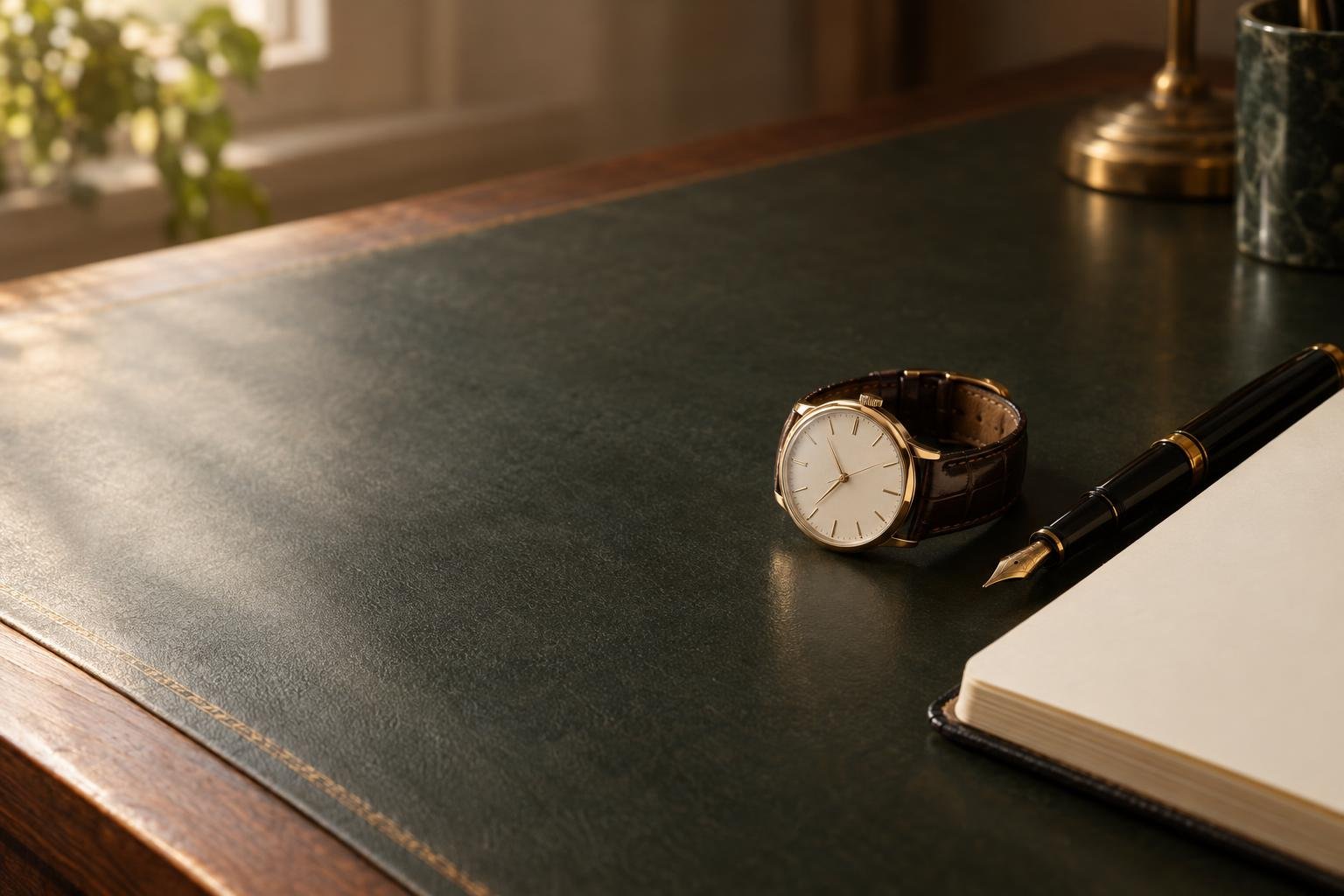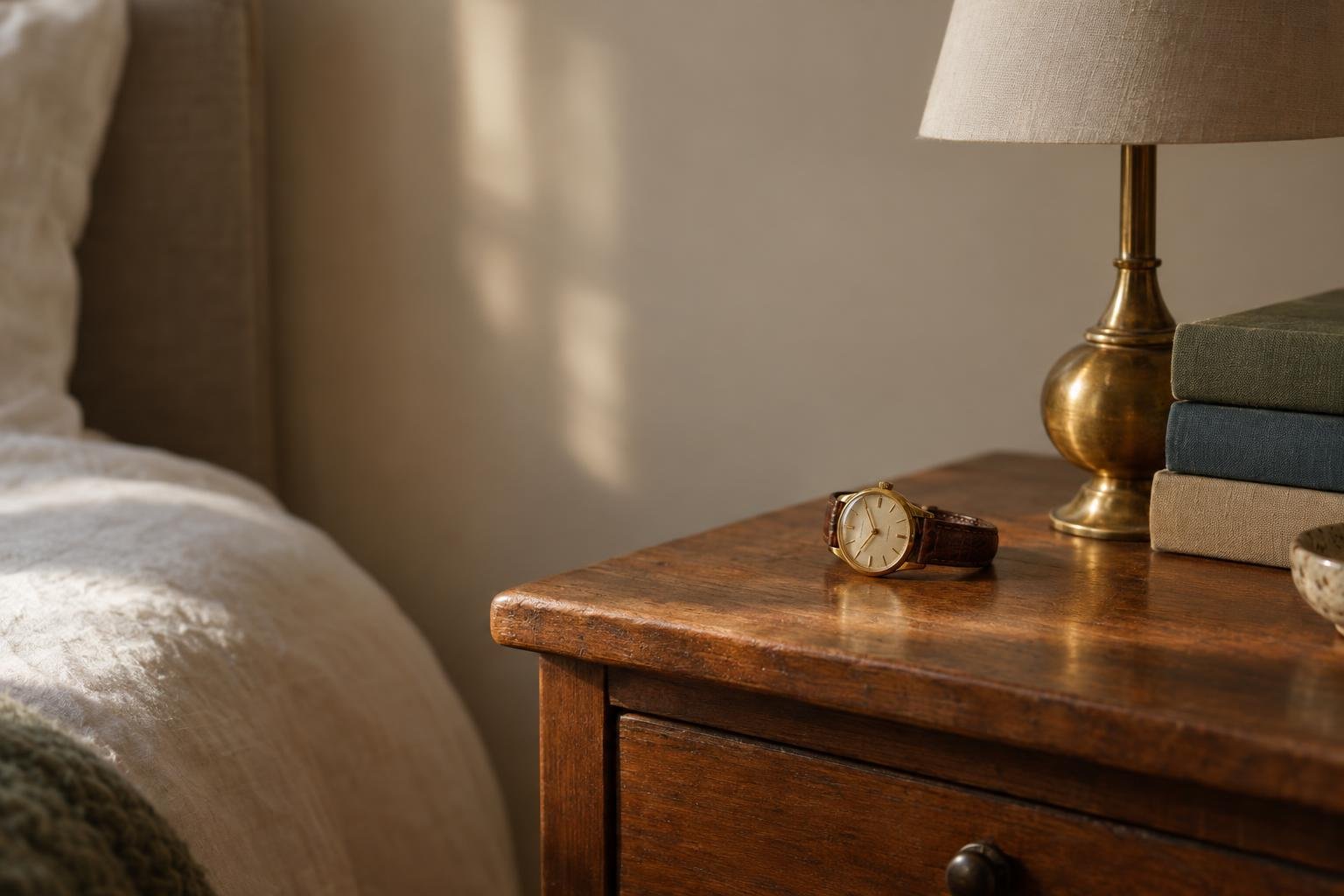
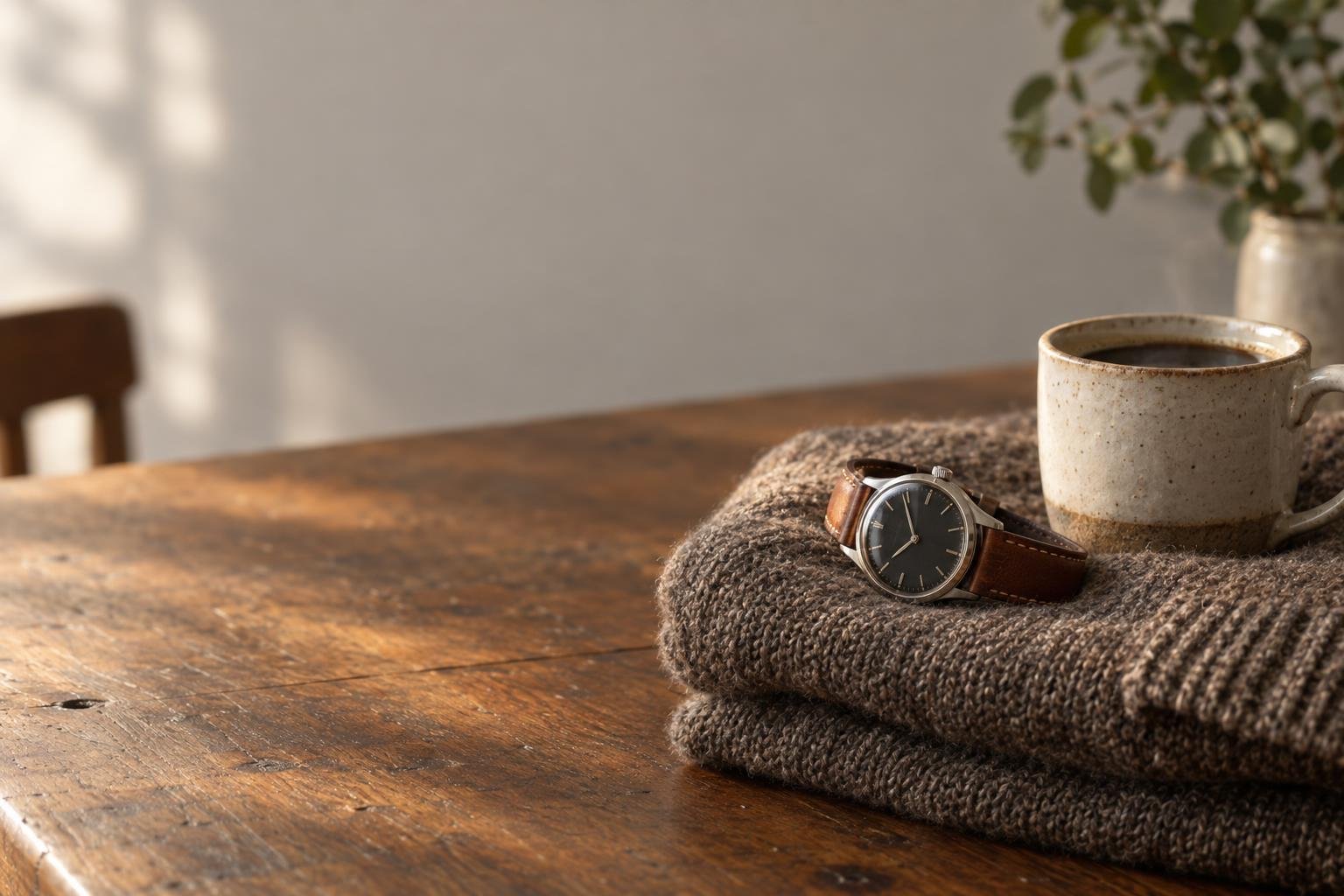
A new strap is the easiest way to change how a watch looks. The same case can seem formal on dark leather and relaxed on tan. Before you buy, it helps to know what to check. A strap is the part of a watch that touches you all day, so it is worth choosing with some thought rather than grabbing the first one that looks nice.
Start with the width between the lugs, which are the two small arms that hold the strap. Measure that gap in millimeters. A strap that is too wide will not fit, and one that is too narrow leaves visible gaps beside the case. Getting this number right matters more than any other detail, because nothing else can make up for a poor fit.
Vintage watches can be a little unusual here. Some use odd sizes, and the gap can differ by a millimeter from what you would expect on a modern piece. Measure with a small ruler or calipers, from the inside edge of one lug to the inside edge of the other. Measure twice, and write the number down before you start shopping online or in person.
Many straps taper, meaning they are wider at the lugs and narrower at the buckle. A taper of a couple of millimeters looks balanced on most watches. A strap with no taper can look heavy on a small dial. Thickness matters too: a slim strap suits a thin dress watch, while a thicker one gives a sturdier sports look.
Color and Finish
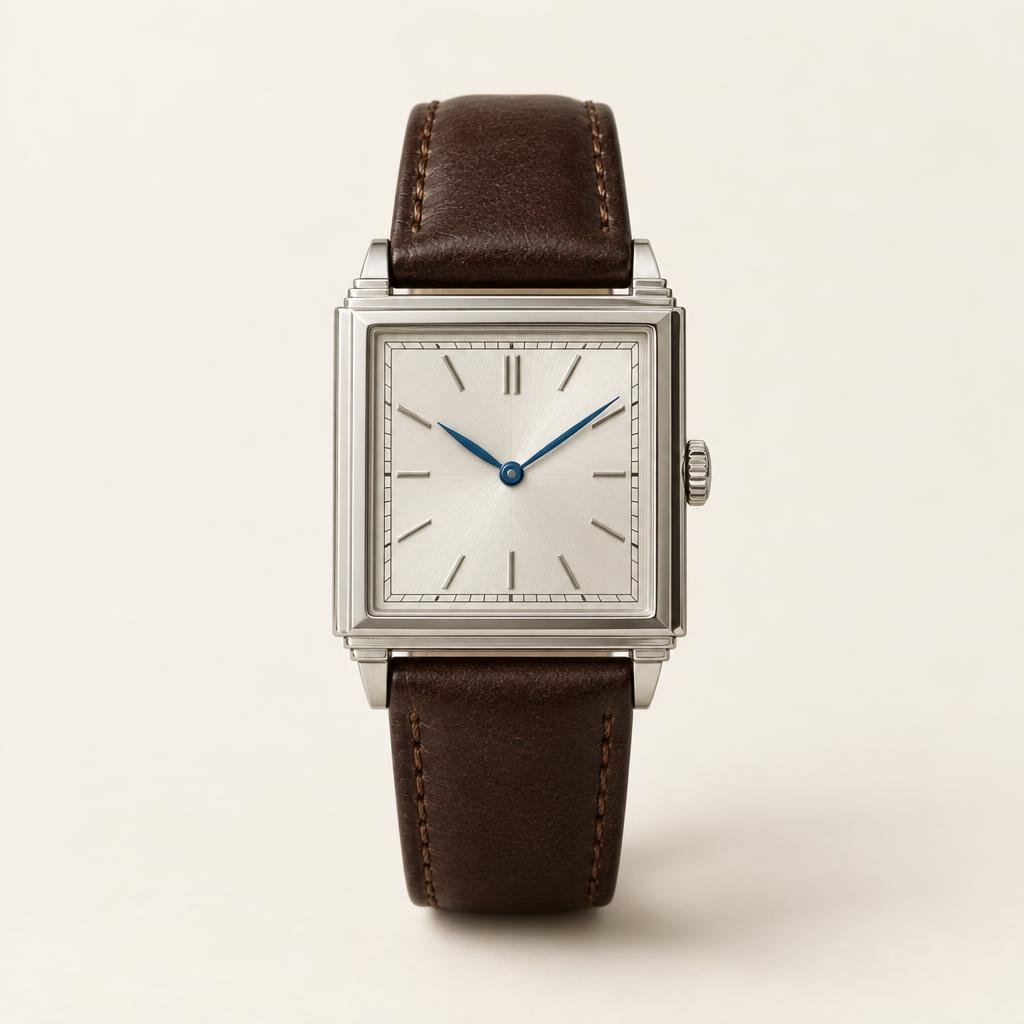
Next, think about color. Dark brown works with almost everything and suits dress watches well. Tan looks warmer and more casual, and it goes nicely with steel cases. Black is the most formal choice, and it can look sharp on a plain dial. If you are unsure, dark brown is the safest place to begin, and you can branch out once you know your taste.
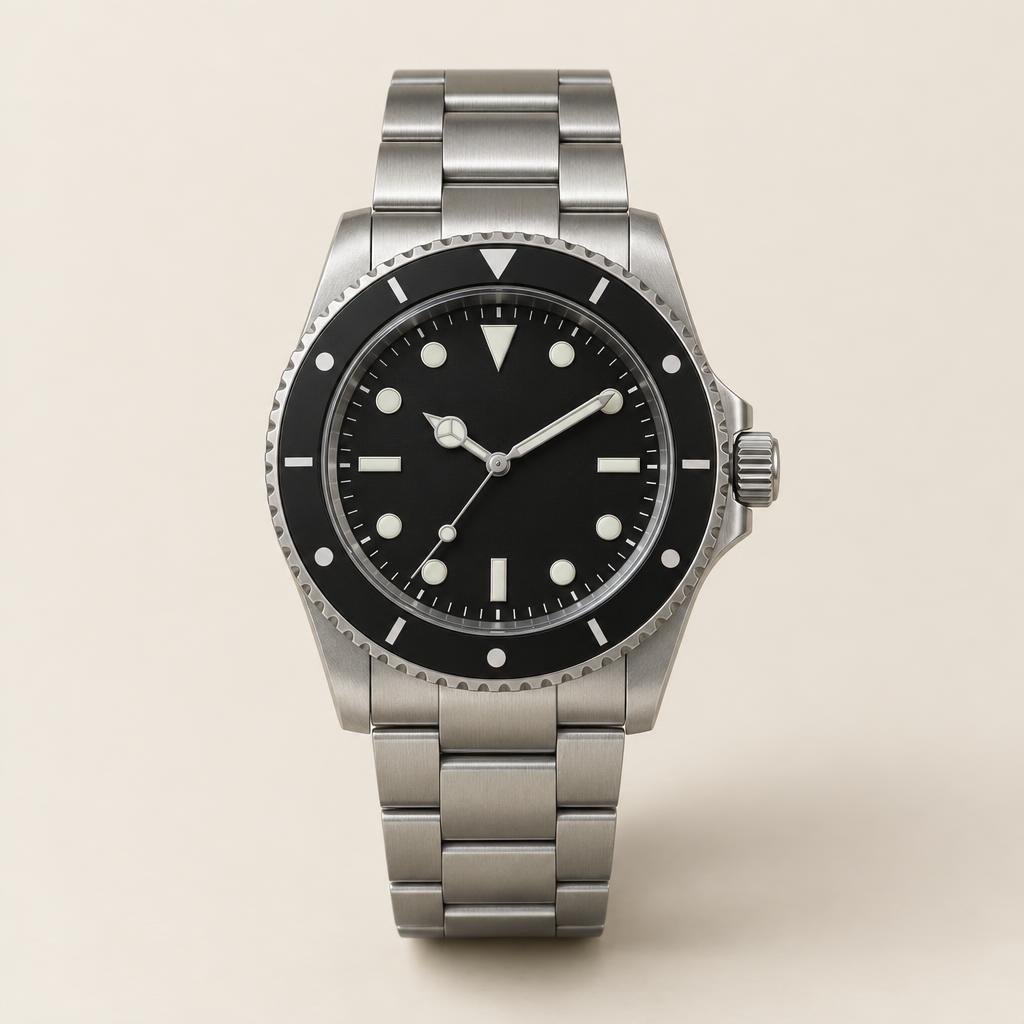
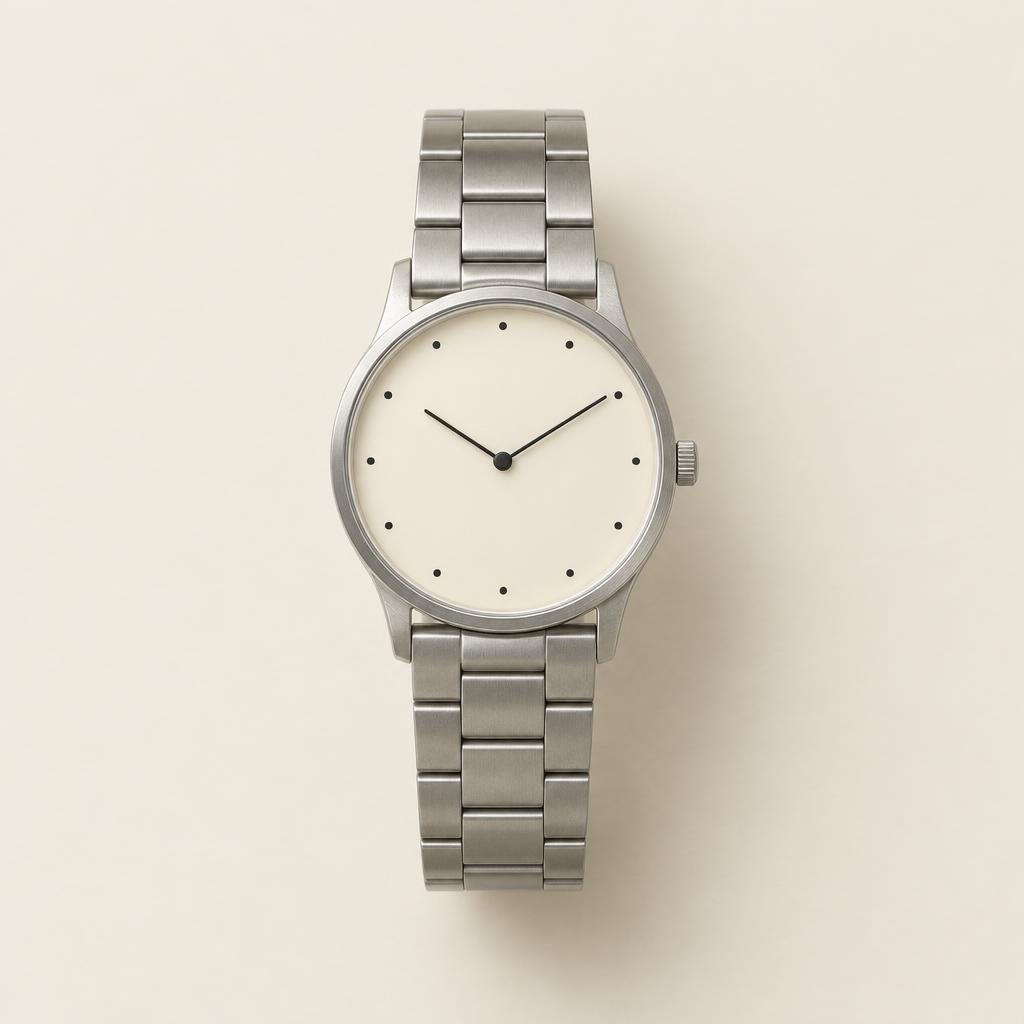
Think about the dial as well as the case. A cream or silver dial tends to look good with brown and tan, while a black dial can handle black or deep brown. Strong colors such as green or burgundy can be fun, but they can compete with a quiet vintage face. A neutral strap lets the watch itself stay the focus.
The finish of the leather changes the mood too. Smooth, polished leather reads as dressy, while a matte or lightly textured surface looks relaxed. Some leather has a visible grain that shows its natural variation. Others have an embossed pattern pressed in. Plain calf is a dependable choice for a dress watch, and it rarely looks out of place with a suit or a casual shirt.
Stitching, Padding and Hardware
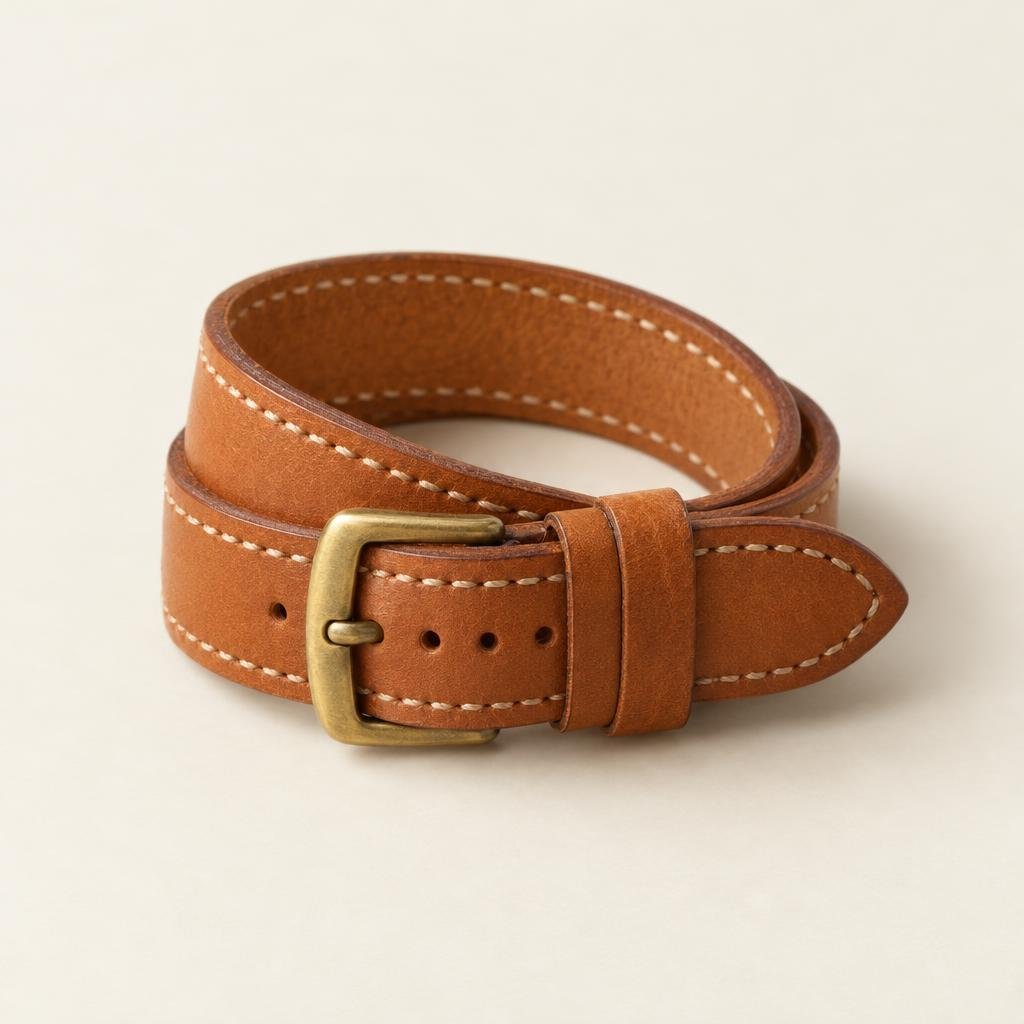
Stitching is both decoration and structure. Cream stitching on tan leather gives a classic, slightly rustic look. Matching thread on dark leather is quieter. Either way, even stitches are a good sign of careful work. Look at the spacing and the line they follow along the edge. Wobbly lines or loose ends suggest the strap was made in a hurry.
Padding changes the look as well. A padded strap has a soft, rounded profile that suits sporty or larger watches. An unpadded, flat strap is slimmer and suits thin vintage dress watches better. A heavily padded strap on a small, delicate case can look out of proportion, like a pillow under a teacup, so match the bulk of the strap to the size of the watch.
The buckle deserves attention as well. Brass looks warm and goes with gold-toned watches, while steel suits steel cases. It is worth matching the buckle metal to the watch where you can, though a small contrast is not a sin. Also check that the buckle width matches the strap end, and that the pin moves freely through the holes without forcing.
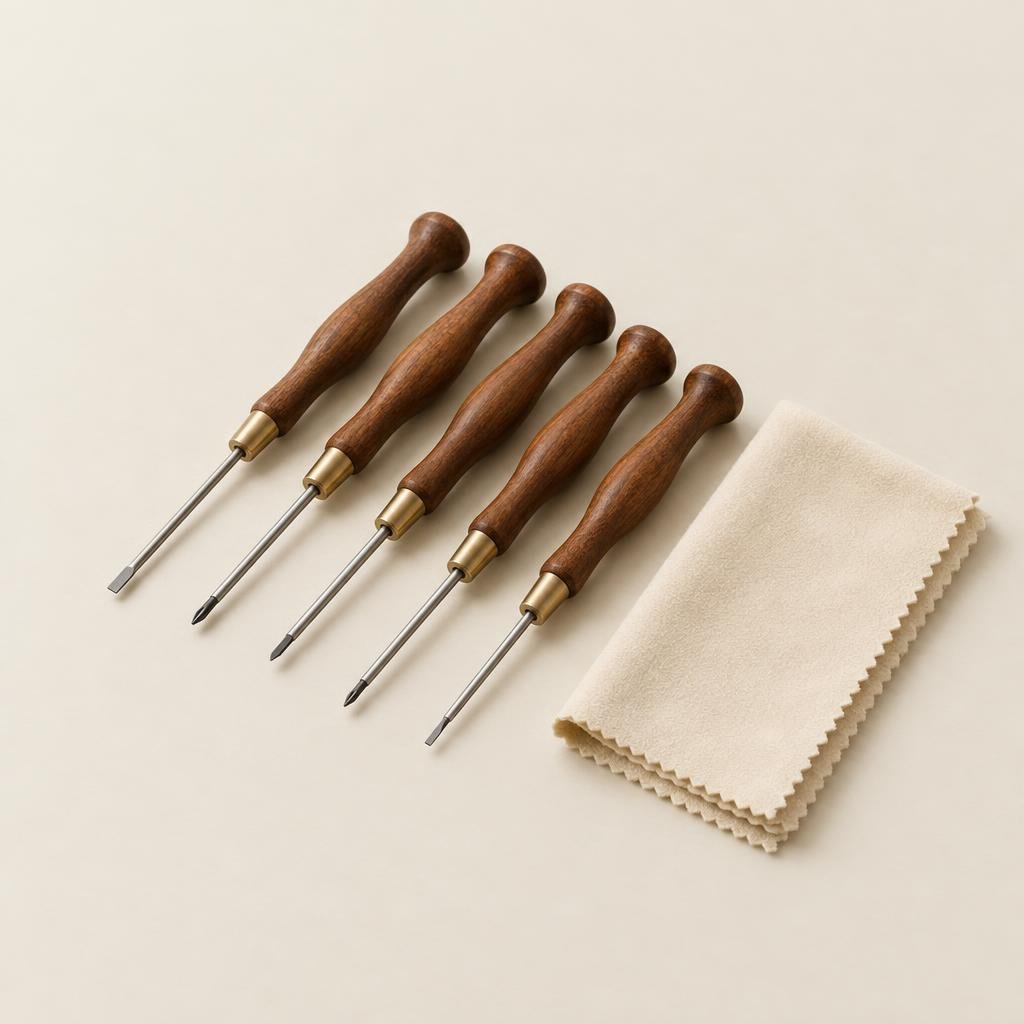
Remember the spring bars, the thin pins that sit between the lugs and hold the strap in place. Some straps come with their own, and some reuse the ones already on the watch. Quick-release bars have a small tab that lets you swap straps without tools, which is handy if you like to change often. Always check that the bars sit firmly in the lug holes.
Breaking in and Daily Wear
New leather is stiff and takes a little while to soften. Wearing it regularly lets it shape itself to your wrist. Do not be alarmed if the first days feel firm near the holes, since that is where the leather bends most. Over time the creases settle into a pattern that is unique to you, and the strap starts to feel like part of the watch.
Avoid soaking it in water, because leather can dry out and darken when it gets wet often. A splash of rain is rarely a problem if you let the strap dry naturally afterward, away from direct heat. Heaters and hot windowsills can stiffen leather and make it crack over time. Patience is the best method for drying, and a dry cloth helps.
If you wear your watch daily, rotating between two straps gives each one time to rest. Leather absorbs moisture from the skin, and a day off lets it dry out fully. Two straps also let you change the mood of the watch from one day to the next, perhaps dark brown for the office and tan for the weekend, using the same case.
Wipe the strap with a dry cloth now and then to remove dust and sweat. Small habits like this keep a leather strap looking good. A hand-made strap is a good match for a vintage watch, since both reward a bit of care. Choose the width first, then the color, and the rest falls into place.