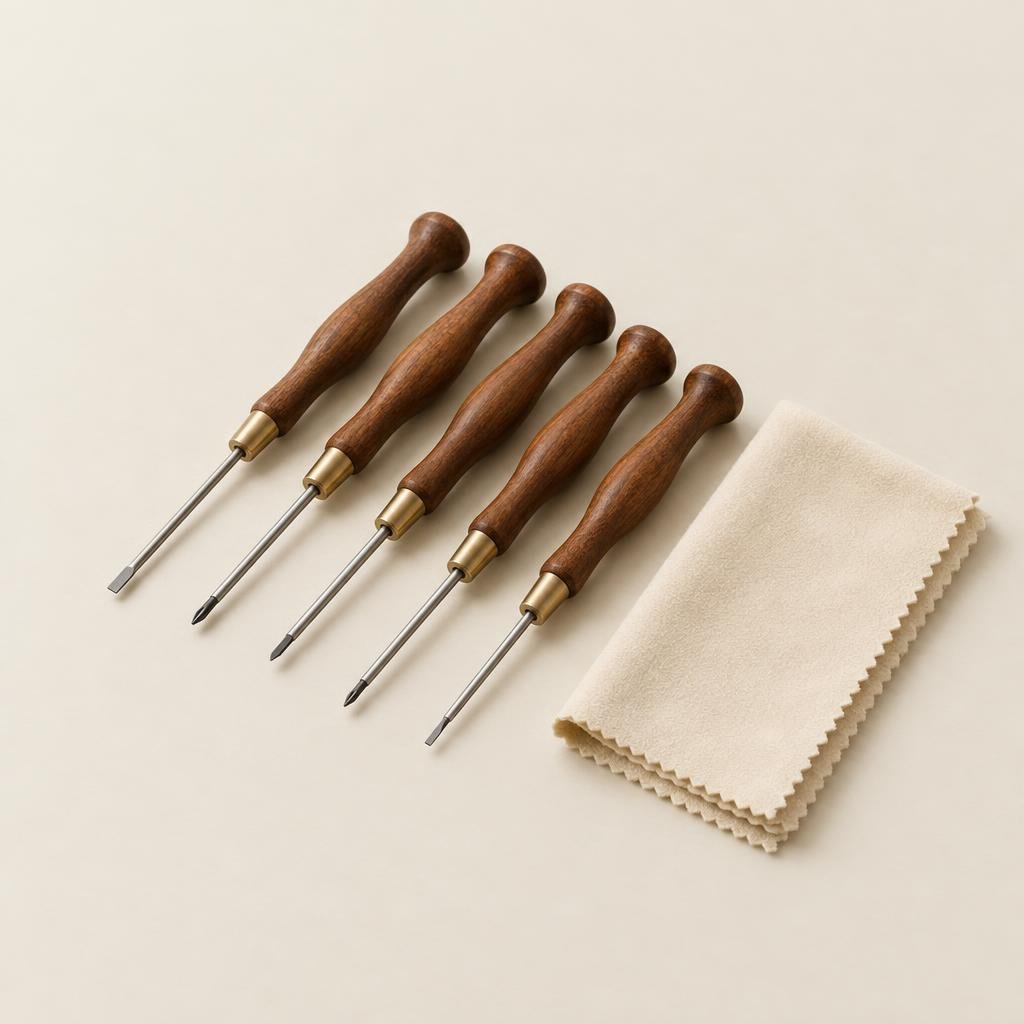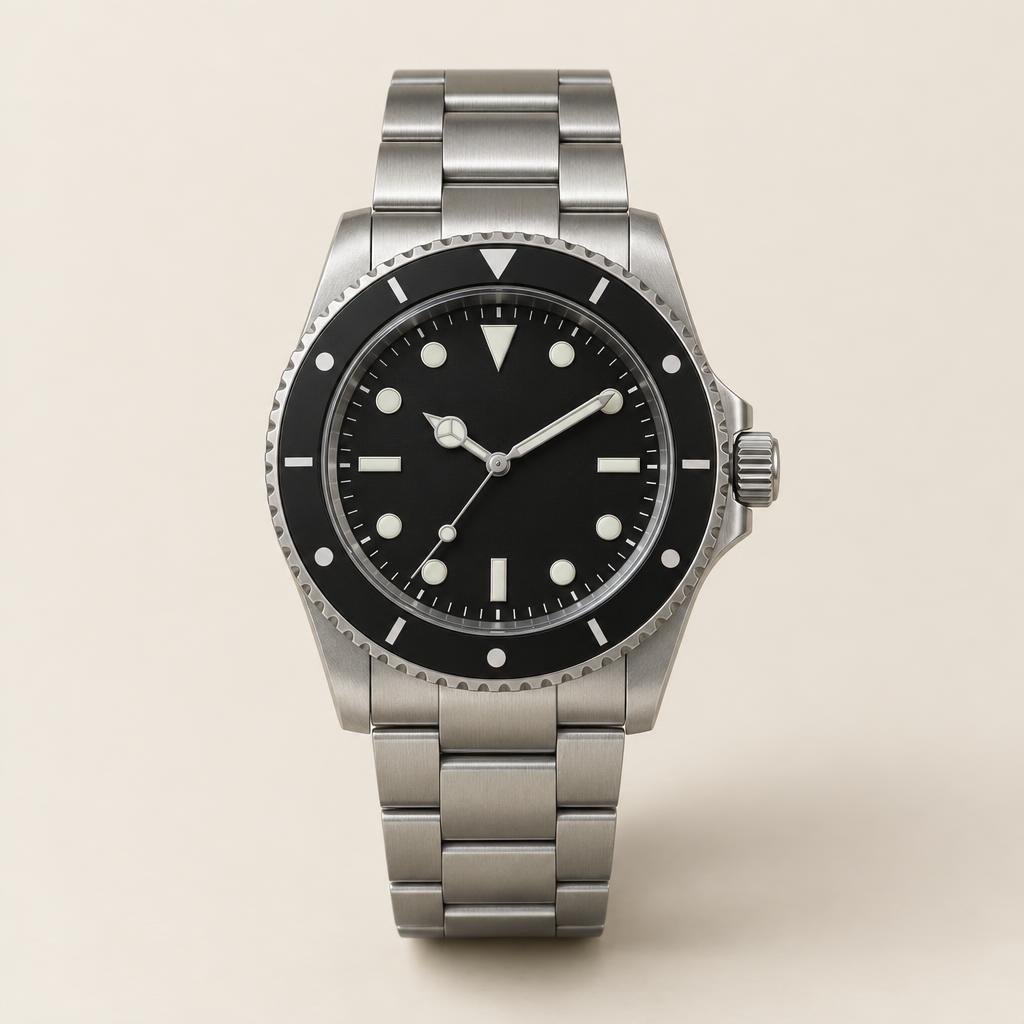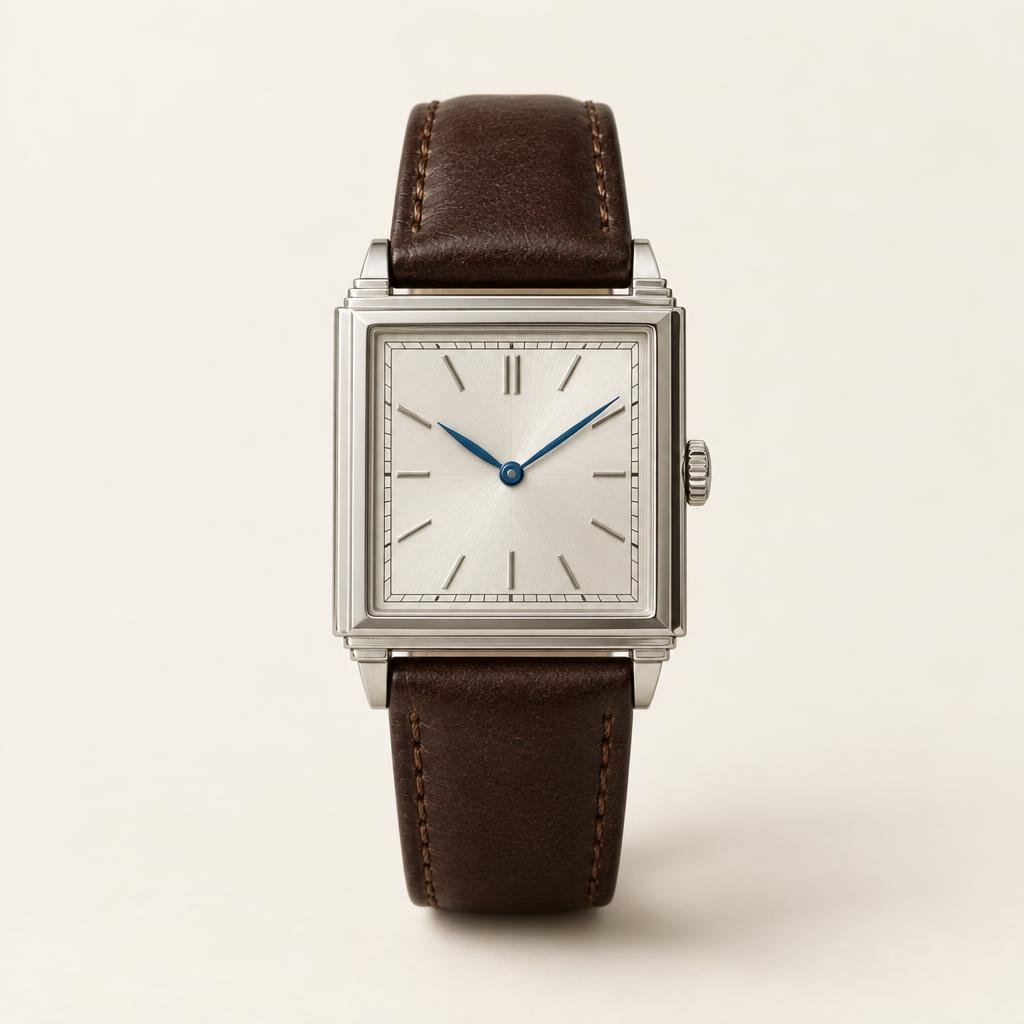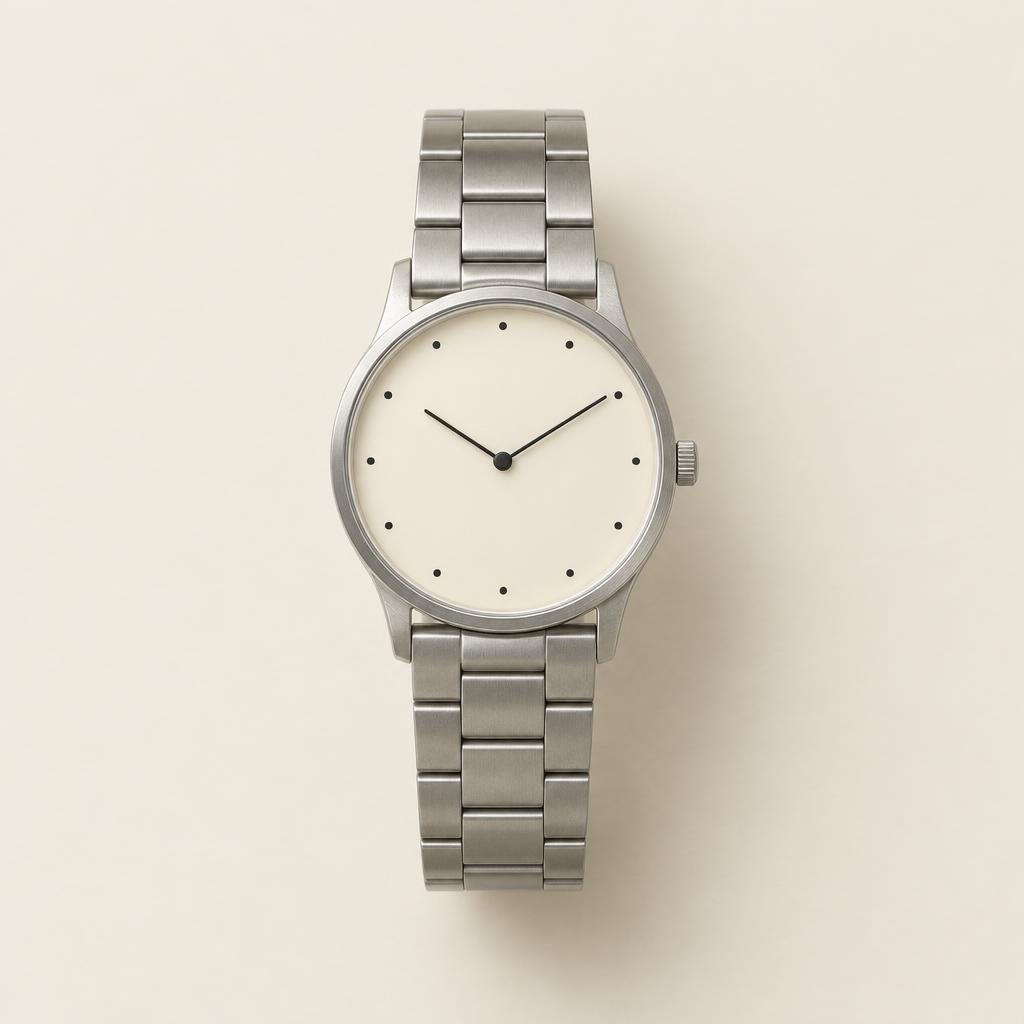
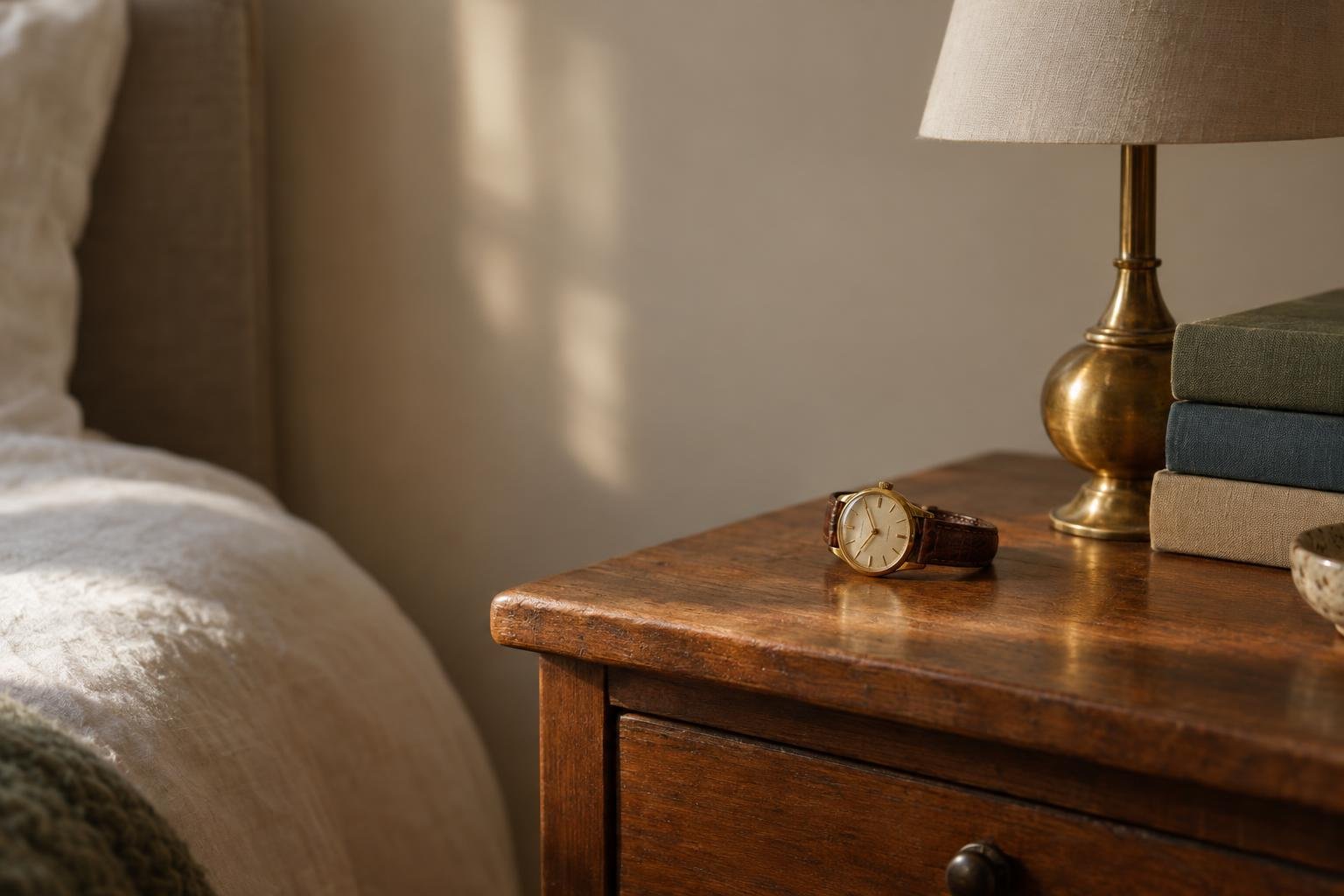
A vintage watch is different from a new one, and a few habits help it go on working well. None of them are complicated. Most come down to being gentle and paying attention. These watches were built decades ago, with parts and materials that differ from today's, so they reward a steady, thoughtful routine more than any special product or gadget.
If your watch is wound by hand, wind it at about the same time each day. Turn the crown slowly until you feel resistance, then stop. Forcing the crown past that point can damage the mechanism. A regular rhythm also means the mainspring starts from a similar level each morning, which tends to help the watch keep steadier time through the day.
Pay attention to how the crown feels. A smooth, even turn is what you want. If it grates, skips or feels loose, stop and have it looked at rather than carrying on. Wind it with the watch in your hand, not while it is on your wrist, because bending the wrist sideways puts uneven pressure on the stem.
Automatic watches are a little different. They wind themselves as you move, so a day of wear usually keeps them going. If one has sat unworn for a while, give it a few turns of the crown to get it started before you put it on. Do not overthink it; these movements are designed to be worn.
Water, Magnets and Dust
Keep the watch away from water unless you know it is built for it. Older cases can lose their seals over time, and moisture inside a watch causes real trouble. When in doubt, take it off for washing up and showers. Even a splash can find its way past a tired gasket or a loose crown, so treat the case as if it were not sealed at all.
Rust and fogged crystals are the usual signs that moisture has got in. A hazy patch under the glass, or a dial that looks spotted, means the watch should go to a watchmaker quickly. Waiting lets damp work on the steel parts and the dial, and what could have been a simple cleaning turns into replacing pieces that are hard to find.
Magnets are another thing to watch. Phones, speakers and some bag clasps can magnetise a watch and make it run fast. Try not to rest it right on top of such things when you take it off at night. The hairspring is the delicate part affected, because its coils can cling together and shorten, which is why the watch gains time.
A magnetised watch is usually easy to fix, since a watchmaker can demagnetise it in a few moments. Still, prevention is simpler. Choose a spot on a shelf or in a dish, clear of electronics, and make it a habit. If your watch suddenly gains several minutes a day for no clear reason, magnetism is a likely cause.
Cleaning and Storing It Well
When you take it off, a clean soft cloth is all you need for the case. Wipe away fingerprints and dust. For a steel bracelet, a slightly damp cloth followed by a dry one is usually enough. Avoid harsh cleaners and abrasive pads, because they can strip polish and wear away the sharp edges that give an old case its character.
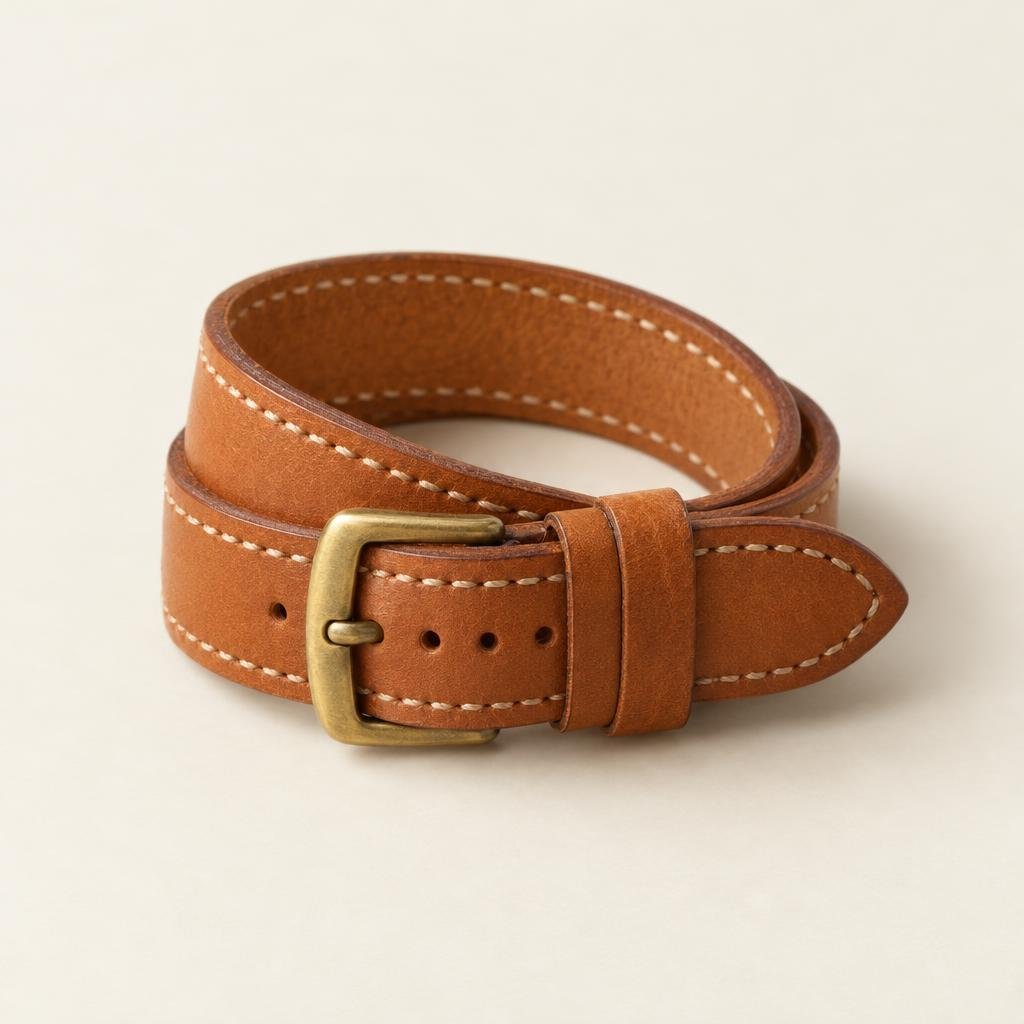
Leather straps need their own gentle treatment. Sweat and damp wear them down faster than anything else, so let the strap air out after a long day instead of tossing the watch in a drawer. A dry soft cloth keeps it tidy. When a strap cracks or goes limp, replace it, since a failing strap is how watches end up on the floor.
Store the watch somewhere dry and away from direct sun. A lined case with soft cushions keeps it from knocking against other pieces. If you own several, giving each its own space avoids scratches. Strong sunlight fades dials and dries out leather, and a damp cupboard invites corrosion, so a calm, dry shelf or drawer indoors is a good home.
Think about how you handle it, too. Put the watch down on a soft surface rather than a hard counter, and avoid wearing it during rough work, sport or anything that could bring a hard knock. Old crystals and dials are often irreplaceable, and a single bump can crack glass or shift a hand. Gentle handling costs nothing.
Why Servicing Matters
A watch also needs regular servicing, much like a bicycle or a car. Over time the oils inside the movement age, and a service cleans and refreshes them. If it begins to gain, lose or stop, do not wait. Running a watch on dried oil wears the tiny metal surfaces against each other, and the damage builds quietly.
A proper service means the movement is taken apart, cleaned, inspected, oiled and adjusted, then tested. That is quite different from a quick fix or a squirt of oil. When you choose someone to do it, ask what the work includes and whether it comes with a guarantee, and be wary of anything that sounds too cheap or too fast.
Keep a rough sense of how long it has been since the last service, even if you just jot it down. Many owners forget until a watch stops. Intervals vary with the movement and how often it is worn, so ask your watchmaker for a sensible guide to your piece. A watch worn daily generally calls for attention sooner than one that rests most of the year.
Treat a vintage watch with a little respect and it will be a pleasure to wear. Small, regular care is better than occasional big fixes. Wind it gently, keep it dry and clear of magnets, wipe it down, store it well and get it serviced when it asks. None of that takes long, and the watch will repay you for years.