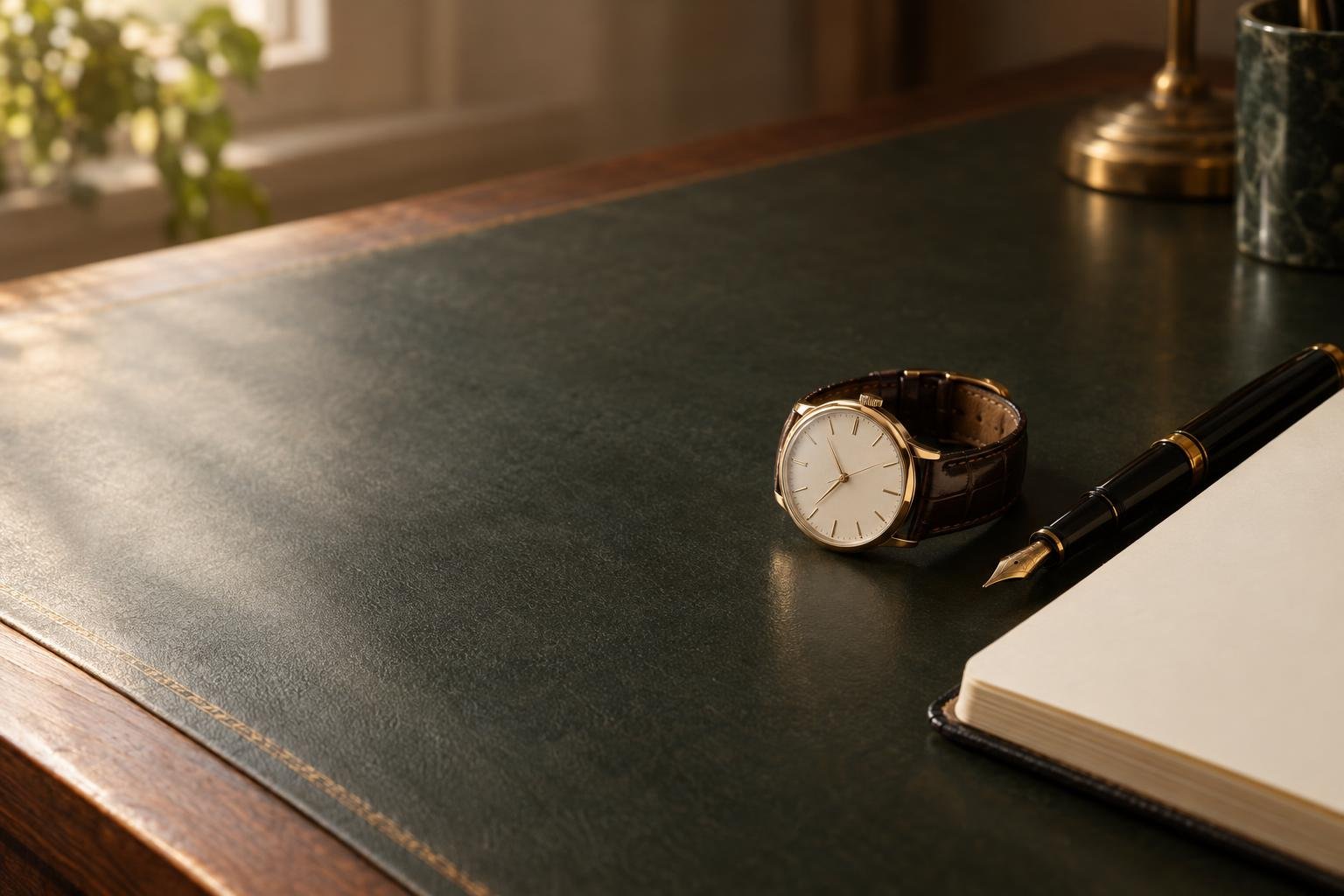
A dress watch is meant to sit quietly under a cuff. That usually means a slim case, a simple dial and thin hands. When you start looking at vintage examples, begin with how it feels on your wrist rather than with the brand name on the dial. A watch that feels right will get worn, and that matters more than any name.
Thinness is the quality that defines the category. A slim case slides under a shirt sleeve without catching, and it keeps the watch from feeling like a lump on the wrist. Many older dress watches achieve this with modest movements and low, gently curved crystals. Check the profile from the side as well as from above, because thickness tells you more than diameter does.
Vintage dress watches also tend to be smaller than modern ones. Cases that look tiny by today's standards were once the normal size for a man or a woman. Do not let a number on a spec sheet put you off. Proportion is what counts, and a smaller case with a clean dial often looks more refined than a large one.
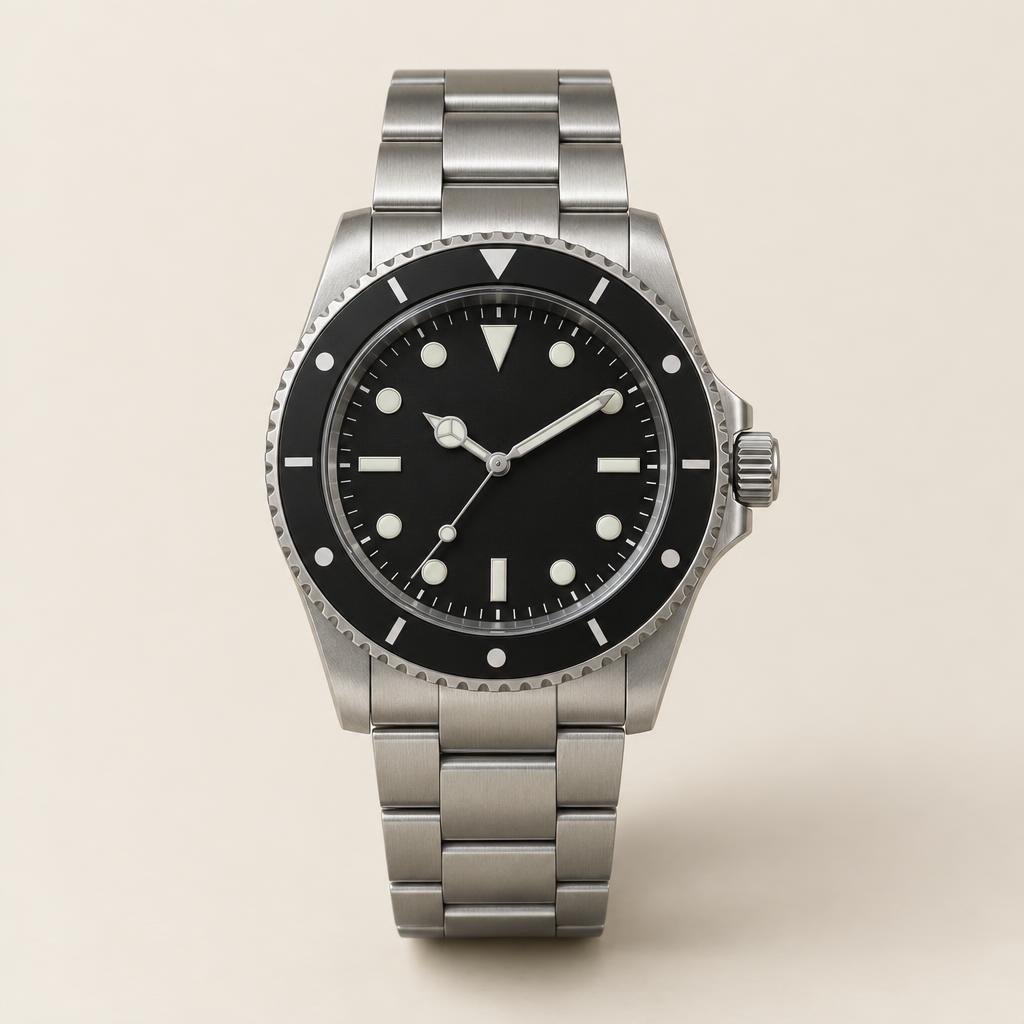
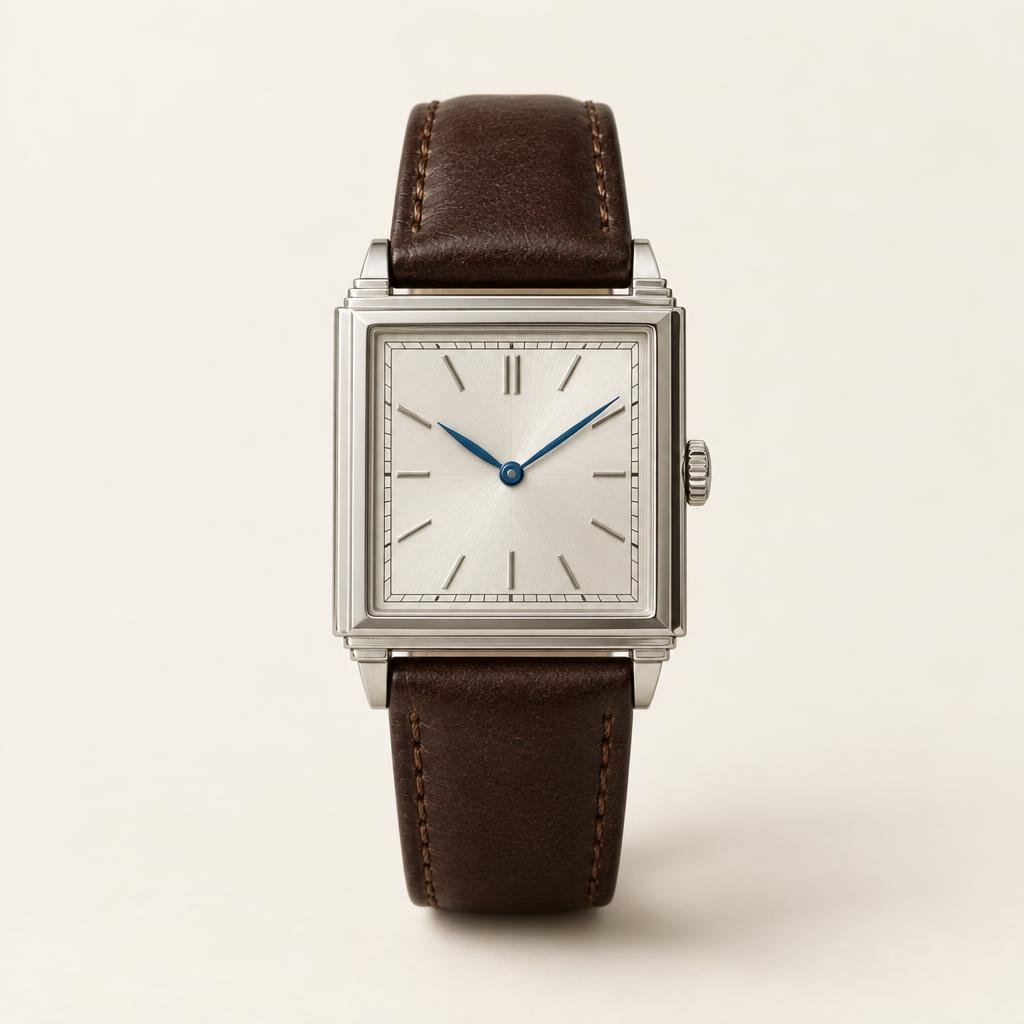
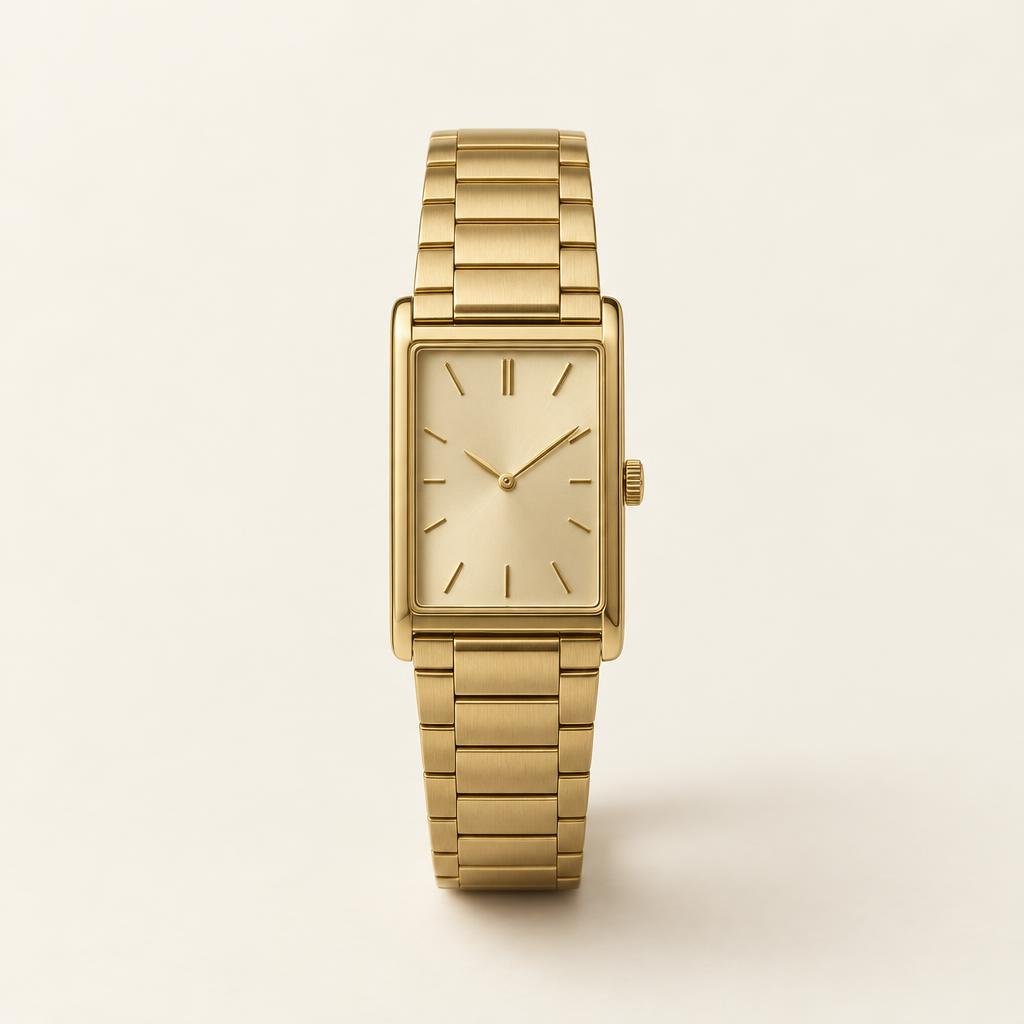
Case shape changes how a watch wears. Round cases are the easiest to match with clothes and tend to suit most wrists. Rectangular and square cases have a more formal, period look, and they can sit well on smaller wrists because they do not stick out sideways. Think about which shape you will reach for most mornings.
Dial, Metal and Color
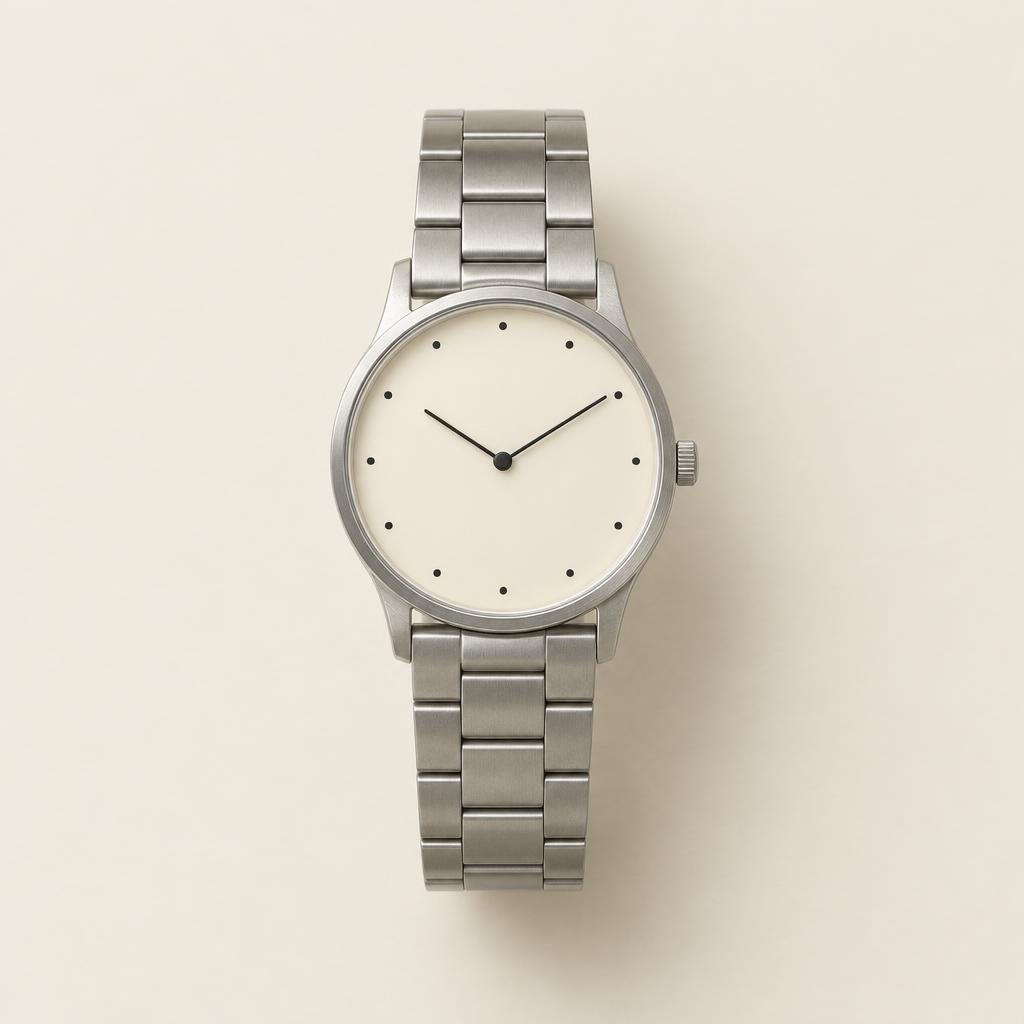
Look closely at the dial. Baton markers, dot indices and sunburst finishes all give a different feel. Vintage dials often show a little age, and a soft patina can be part of the charm. What you want to avoid is damage that hides the markers or makes the hands hard to read.
Hands deserve a look too. Thin dauphine or leaf-shaped hands are common on dress watches, and they should be straight, evenly finished and centered. On a flat, simple dial, bent or mismatched hands are very noticeable. Replacement hands are sometimes fitted over the years, so see whether the color and style agree with the dial, since a poor match can spoil a lovely face.
A word on refinished dials. Some vintage dials have been repainted, and a fresh repaint can look crisp but may lose the sharp printing and depth of the original. Uneven lettering, thick lines or a glossy flatness can all be clues. Neither choice is wrong, but you should know which you are buying, and ask directly if you cannot tell.
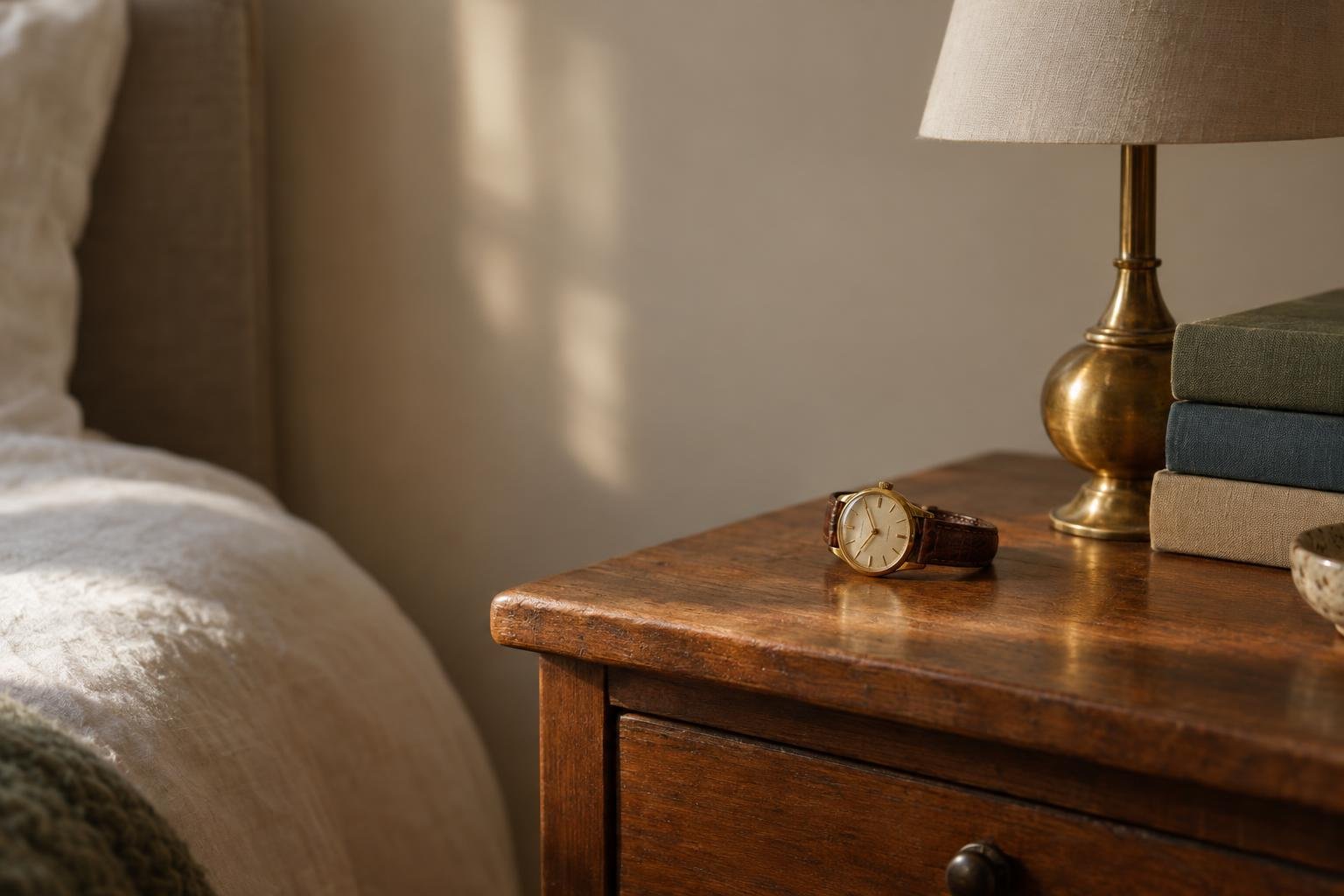
Metal color matters too. Gold-toned cases look warm and traditional, while steel is cooler and more everyday. Think about what else you wear, such as other jewelry, belt buckles and shoes, and choose the tone that sits comfortably with them. Gold-plated cases can show wear at the edges, so look at the lugs and bezel for places where the color has thinned.
Movement and Service
The movement is the heart of the watch, and a vintage watch should be serviced before you rely on it. Servicing means the watch is cleaned and checked so it keeps time properly. Ask whether a watch has been serviced and whether any warranty comes with it. A watch that has simply been wound and left running is not the same thing.
Inside, most vintage dress watches are wound by hand. You turn the crown each day, and the mainspring stores the energy that drives the gears. Hand-wound movements are slim, which is why they suit dress watches so well. Wind until you feel gentle resistance and then stop, since forcing the crown past that point is a common mistake.
Some older watches are automatic, with a weighted rotor that winds the spring as you move. They are convenient but add thickness. If a slim profile is your priority, a hand-wound watch is usually the better route. If you would rather not wind a watch each morning, accept a slightly thicker case in exchange for that ease.
Accuracy in a vintage watch is a matter of expectation. A well-serviced movement can keep good time, but it will not match a modern quartz watch, and it may gain or lose a little each day depending on position and wear. Treat that as part of the character. Large, steady errors are a sign something needs attention.
Fit, Straps and Daily Wear
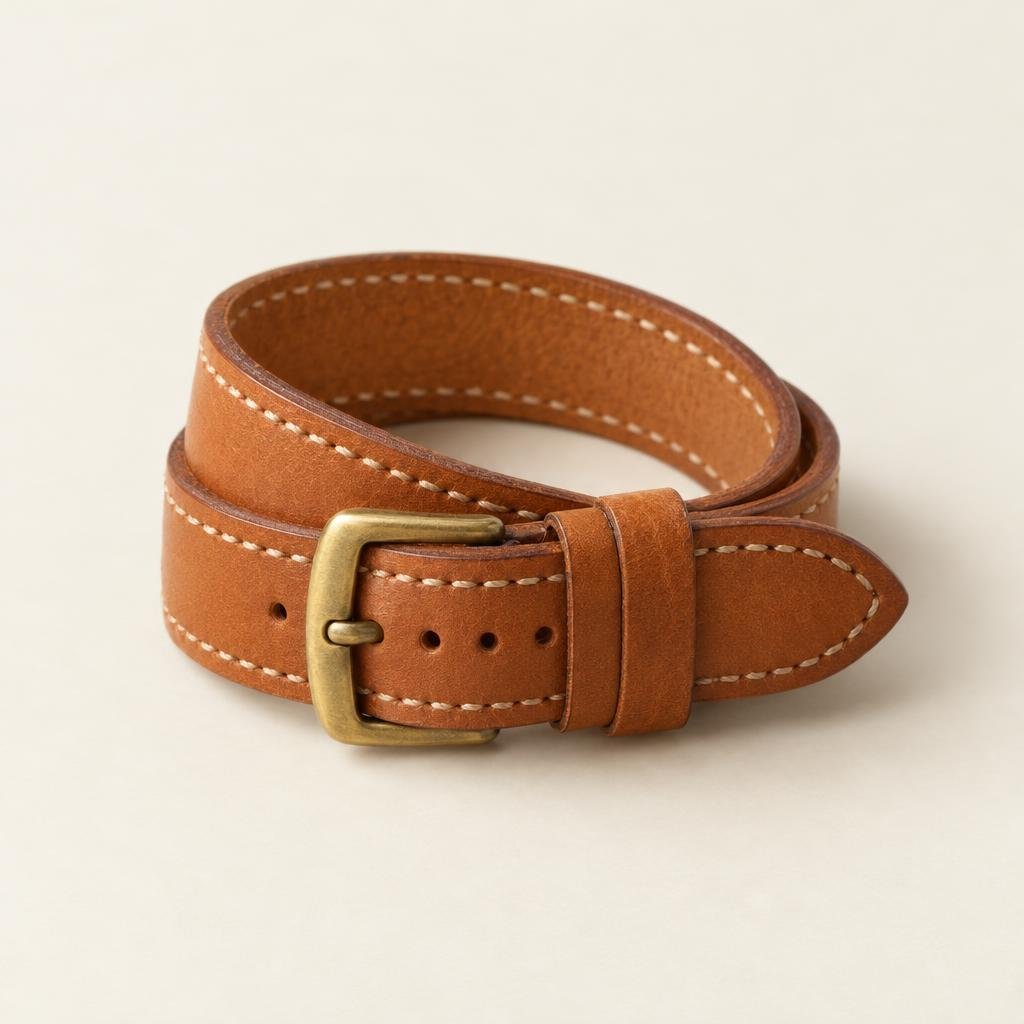
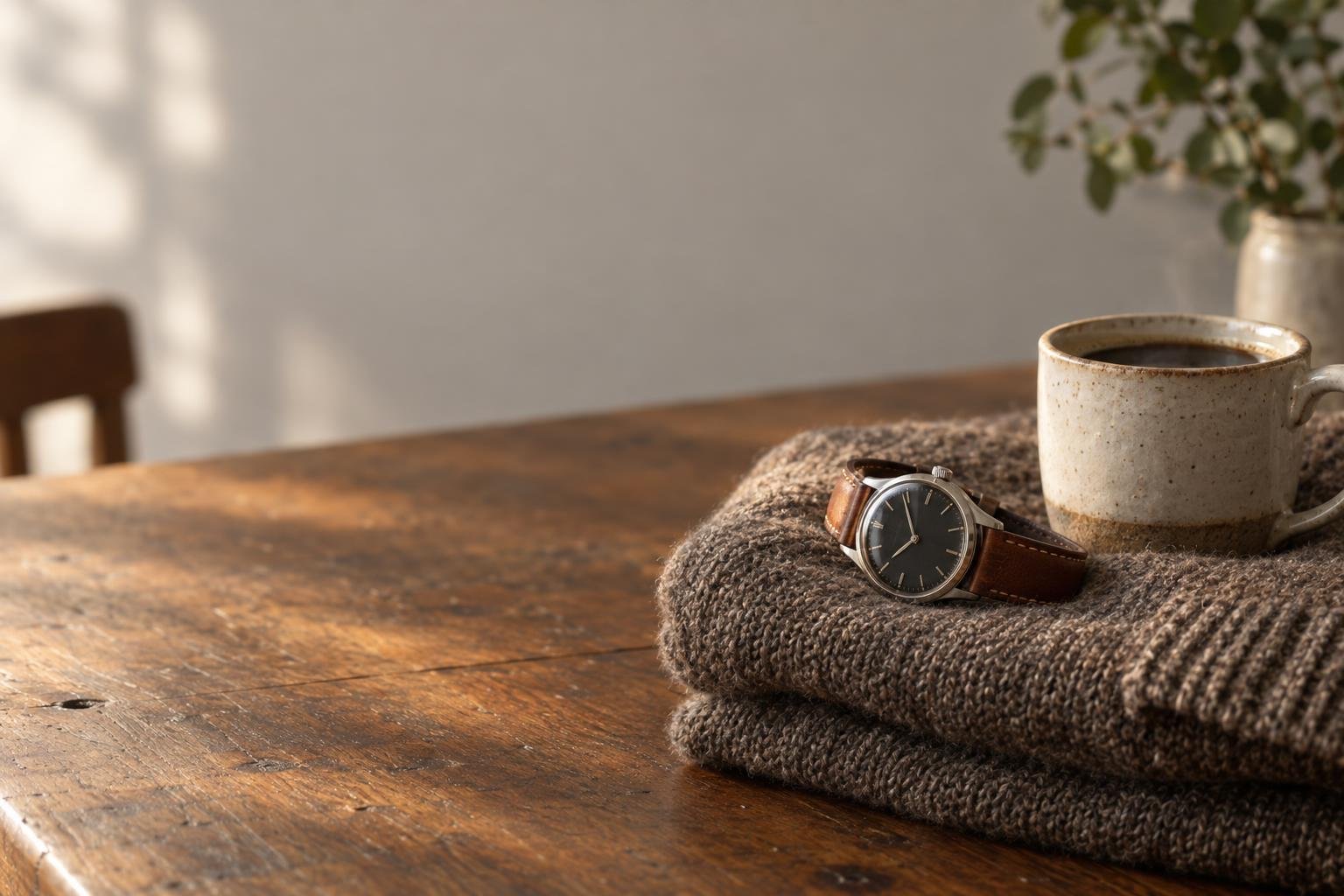
The strap changes the whole character. A dark brown leather strap makes a dress watch feel classic, while a metal bracelet makes it more robust. Straps are easy to swap, so do not rule out a watch only because you dislike what it came on. A cracked or tired strap is the cheapest part of a watch to put right.
When swapping, check the lug width, which is the gap between the lugs where the strap bar sits. Measure it in millimeters and choose a strap that matches. On a dress watch, a strap that tapers slightly toward the buckle looks neat, and thin padding keeps the profile low under a cuff, which is the whole point of the watch.
Do not forget the size of the case against your wrist. A watch that is too large looks awkward, and one that is too small can look lost. Try it on if you can, and think about how it will feel through a whole day. Pay attention to lug length as well, since long lugs can overhang a narrow wrist.
Finally, buy the watch you will actually wear. A vintage watch is not a museum piece, and it is at its best when it is on a wrist and part of your day. Choose the one that feels right, looks calm under a cuff, and has been properly looked over. Then wear it and enjoy it.